Organize first, verify second, decide third. When you Inherit a Large Amount of Jewelry, a clean inventory (photos, karat stamps, net grams) plus professional verification turns guesswork into strategy. Use an estate jewelry appraisal matched to your goal (FMV, insurance, or liquidation), then choose the right path: sell inherited jewelry for immediate liquidity, pawn to keep ownership, consign/auction for signed or period pieces, or insure and keep heirlooms. The formula stays simple—spot × purity × net grams ± condition/style—but your prep is what maximizes outcomes. Document everything, compare at least two offers, and move with clarity.
Call (832) 295-9155 or visit 1801 Durham Dr, Suite 9, Houston, TX 77007 (The Heights).
What to Do if You Inherit a Large Amount of Jewelry
Inherit a Large Amount of Jewelry and don’t know where to start? Breathe. The smart move is to organize, verify, and value—then decide whether to keep, sell, or pawn based on goals, timelines, and market conditions. Create an inventory (photos, karat stamps, weights), separate fine pieces from costume, and get professional testing (acid/XRF) plus appraisals where warranted. For liquidity, compare sell inherited jewelry offers using a clear formula—spot × purity × net grams—while higher-end signed or vintage pieces may perform better as estate jewelry with premiums above melt. Your plan: document, verify, compare, decide.
Step 1: Inventory & Verification — Sort, Photograph, and Identify Real Value
When you Inherit a Large Amount of Jewelry, the first win is organization. Think “evidence kit” meets “auction catalog.”
Group by metal & hallmark. Create piles for yellow/white/rose gold, platinum, silver, and costume. Use a loupe to spot stamps: 10k/14k/18k/22k (or 417/585/750/916), PT/PLAT, 925/Sterling. Missing stamps? Flag for pro testing.
Weigh & log. Record grams for each gold/platinum piece (note if a clasp or chain segment isn’t precious metal). This directly affects how to value inherited jewelry later.
Photograph like a pro. Neutral background, indirect light, front/back/close-ups of stamps, clasps, and any damage. Name files with metal, karat, grams, and any signature.
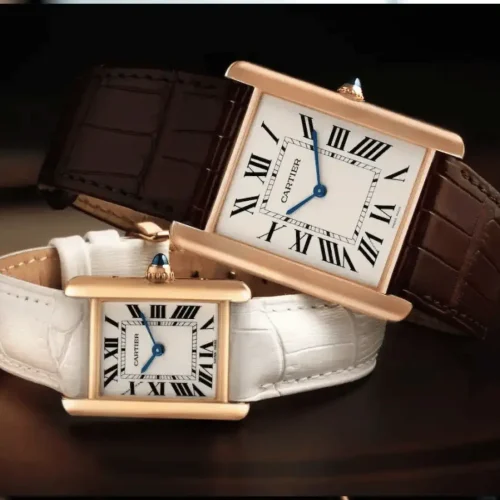
Hunt for signatures & eras. Look for maker marks (Tiffany, Cartier, Van Cleef, David Yurman), era cues (Art Deco filigree, Retro curb links, Mid-Century designs). Signed/vintage can beat melt in an estate jewelry appraisal.
Quick at-home checks (non-destructive). Magnet test (precious metals aren’t magnetic), pearl rub (gritty = likely real), diamond fog (clears faster), sound test on bangles. These don’t replace lab tools—just triage what deserves pro attention..
Separate “fine” from “fashion.” Keep costume pieces together but still catalog; vintage costume from known houses can have collector value.
Document provenance. Appraisals, receipts, repair slips, original boxes—these reduce uncertainty and may increase offers when you sell inherited jewelry
Step 2: Appraise, Price, or Authenticate — When to Call an Expert (and Why)
Now convert your tidy inventory into verified value.
Choose the right appraisal purpose.
Insurance (replacement value): Higher than resale; used for coverage.
Fair Market Value (FMV): Typical for estates/probate; what a willing buyer would pay.
Liquidation value: Fast-sale number; useful if you need quick cash.
Match the appraisal to your goal to avoid mismatched expectations.
What a credible appraiser delivers. A written report with full descriptions (metals, grams, stones with grades, measurements), clear methodology, photos, and signature/date—ideally aligned with professional standards (e.g., USPAP for personal property).
Gem testing & grading. For diamonds and colored stones, look for professionals with gemological training (e.g., GG). Lab reports (where applicable) support pricing and authenticity.
When authentication matters. Signed/vintage/antique pieces, high-karat or unusual alloys, period designs (Art Deco/Edwardian), or anything with a maker’s mark benefit from expert review; premiums over melt can be significant.
Where to find qualified appraisers (start here): GIA’s list of appraisal associations that can help you locate a credentialed appraiser in your area. Instituto Gemológico de América
Pro tip: Bring your inventory sheet, photos, and any receipts. Ask for the appraisal purpose in writing and request digital copies of the report for easy sharing.
Step 3: Monetize Strategically — Sell, Pawn, or Keep (and How to Maximize Returns)
With facts in hand, choose the path that fits your timeline, risk tolerance, and sentiment—this is what to do with inherited jewelry.
Sell (immediate liquidity).
Best for: Broken scrap, duplicates, out-of-style pieces, or items valued mainly by metal weight.
How to maximize: Get two same-day quotes, ask buyers to show the math (spot × purity × net grams ± style/condition), bring items clean/untangled with boxes/docs.
Consign or auction (potential premium, slower).
Best for: Signed, vintage, or period pieces with collector appeal.
Trade-off: Higher potential payout, but fees/commissions and longer timelines.
Pawn (keep ownership, access cash).
Best for: Sentimental or heirloom pieces you want back; use a short-term loan and reclaim later.
What to check: Ticket terms, storage/security, repayment/extension rules.
Keep & insure (heirloom strategy).
Best for: Items you’ll wear or pass down.
Next steps: Use the estate jewelry appraisal (insurance purpose) to set coverage, then store properly (anti-tarnish, separate compartments).
Redesign or repurpose. Reset family stones into modern settings; preserve history while creating wearable pieces.
Tax & paperwork notes (not legal advice). For estates, keep appraisals, offer sheets, and sales receipts together; FMV appraisals may be required for probate or charitable donations.
Decision grid (fast):
Need cash now? Sell select items; pawn sentimental ones.
See signature/era value? Consider consignment/auction.
Know How to Value, Appraise, and Sell Inherited Jewelry (estate jewelry appraisal, what to do with inherited jewelry)
Contact Us
GET IN TOUCH
Questions explained agreeable preferred strangers too him her son. Set put shyness offices his females him distant. Improve has message besides shy himself cheered however how son.
Know More About Cash for Gold Business in Houston
- All
- Blogs
- Gold Acid Test
- Gold Buyer
- Gold Prices
- Gold Purity Check
- Gold Sales
- Gold Tax
- Gold Value
- Hallmarks on Gold
- Home Gold Check
- Inherited Jewelry
- Pawn Shops
- Pawn Shops Pay
- Understanding Gold Hallmarks
5 Powerful Ways the Global Economy Impacts Gold Value When headlines talk about recessions, inflation, or interest rate hikes, they’re...
5 Brilliant Questions to Ask a Gold Buyer Before Selling Questions to Ask a Gold Buyer sets the tone for...
What to Do if You Inherit a Large Amount of Jewelry Inherit a Large Amount of Jewelry and don’t know...
Why Gold Prices Go Up During Holidays Gold Prices tend to surge around major holidays because seasonal gold demand spikes...
The Difference Between Local and National Gold Buyers Choosing between Local Gold Buyers and National Gold Buyers can change your...
Why Tax Season Leads to More Gold Sales Tax season flips a switch on household finances: refunds land, bills get...
Why Gold Buyers Use Acid Tests Gold buyers use acid tests because they’re fast, low-cost, and reliable for confirming karat...
Do Pawn Shops Pay More or Less for Gold? Thinking about turning old jewelry into cash and wondering if a...
Understanding the Hallmarks on Gold Jewelry Found an old necklace in a drawer or inherited a piece and wondered, “Is...