
Silver Buyer in Houston: How to Tell Real Silver From Plated in Under a Minute
Three quick tests, one stamp chart, and the one silverware trick that costs sellers the most money.
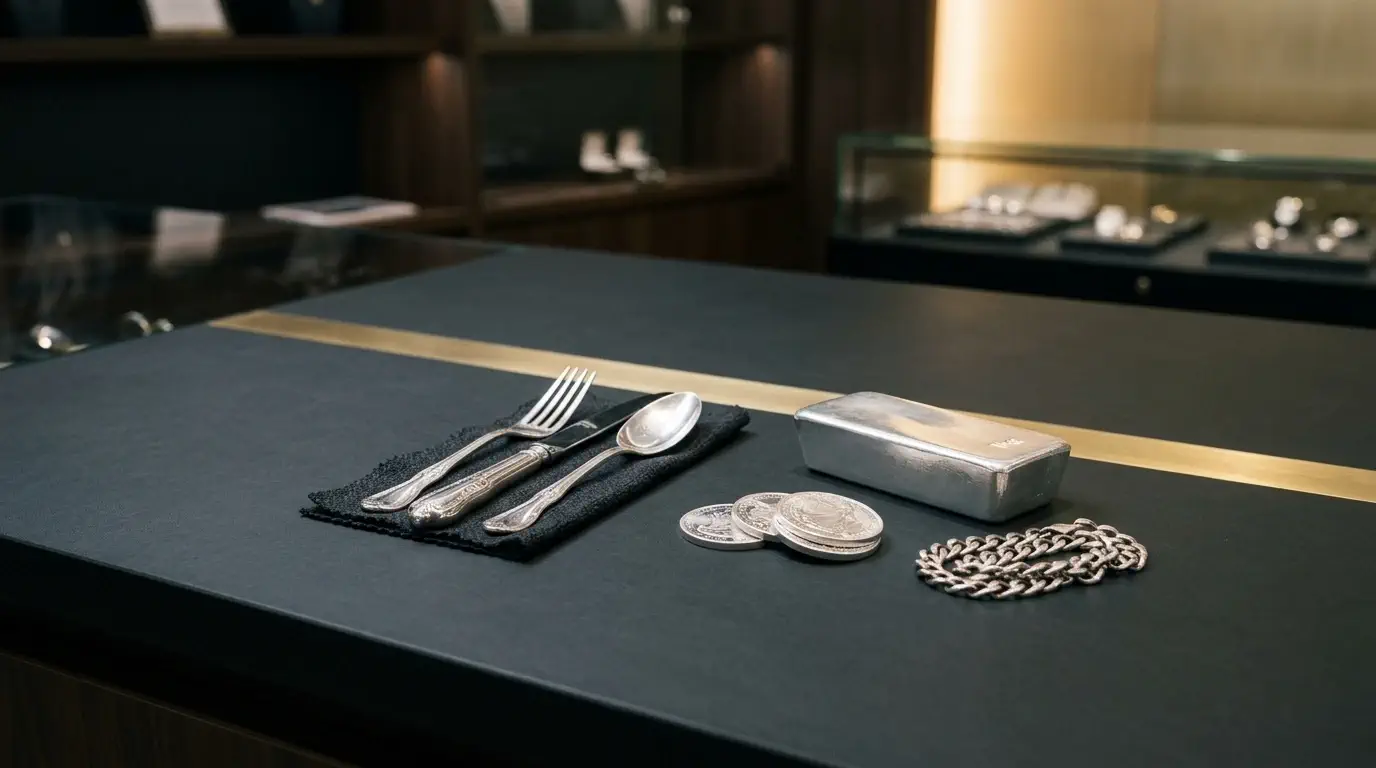
Nearly everyone who walks in looking for a silver buyer in Houston is carrying at least one thing that turns out to be plated, and at least one thing they had written off that turns out to be solid. A tarnished tray from a grandmother's china cabinet is often the real deal. The gleaming "silver" candlesticks that look brand new frequently are not. The difference is not something you need a jeweler to spot: with a magnet, a magnifying glass, and about sixty seconds, you can sort most of your own collection before you leave the house. Here is exactly how, and what each type is actually worth at the counter.
Real silver is not magnetic, carries a purity stamp (925, Sterling, 900, or 800), and tarnishes to a warm black or brown rather than flaking. Plated pieces are marked EP, EPNS, Silver Plate, or nothing at all, usually stick to a magnet through the base metal, and show copper or grey showing through at worn edges. Solid silver is paid by weight and purity; plated silver has essentially no scrap value.
Three Checks You Can Do at Your Kitchen Table Right Now
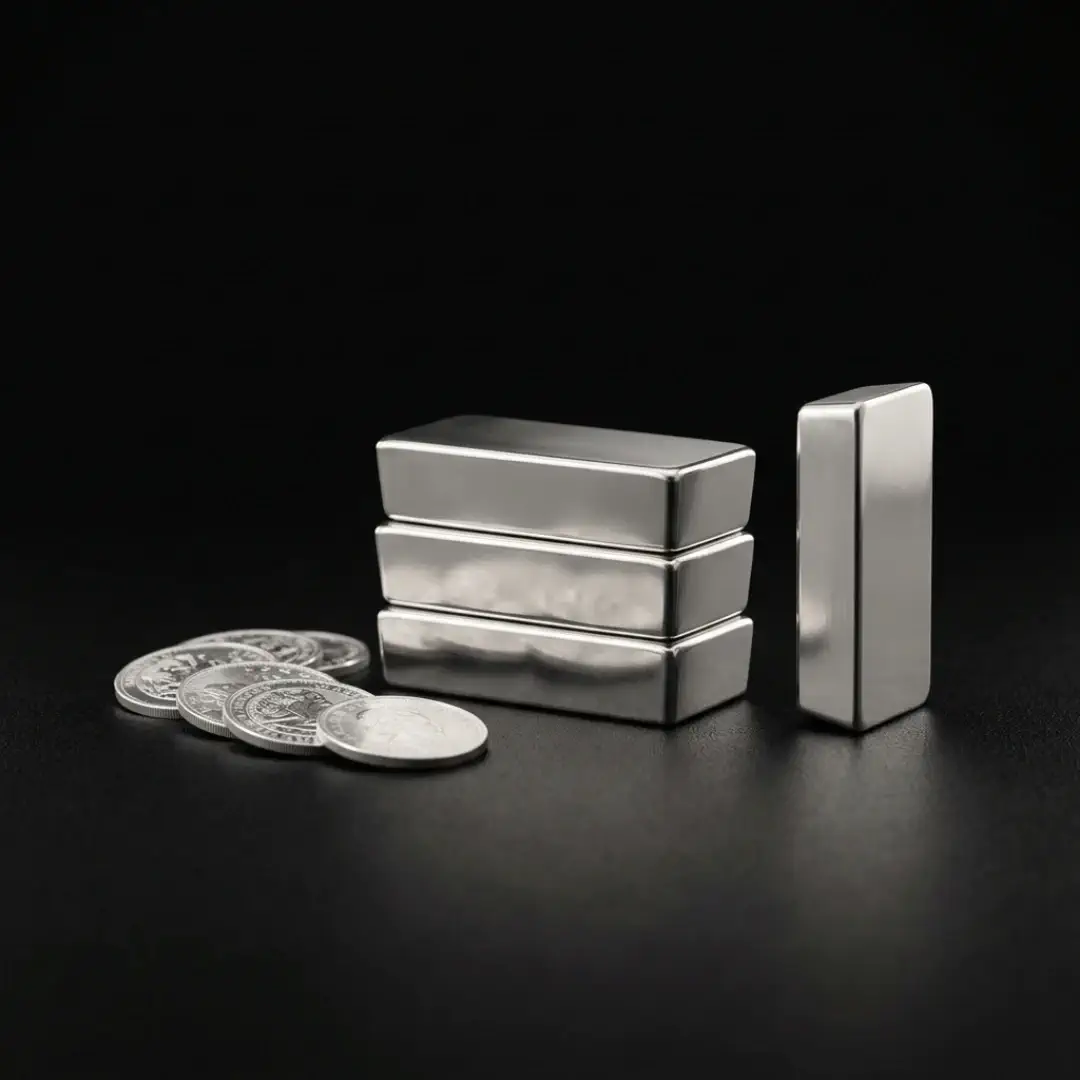
1. The magnet test. Silver is not magnetic. Grab a strong magnet, ideally a small neodymium one off the fridge, and hold it against the piece. If it grips, you are feeling the steel or nickel core under a plated surface. A weak, sliding pull on a heavy piece can also mean a magnetic clasp or a steel knife blade fitted into a genuine silver handle, so test the body of the item, not the hardware.
2. The stamp check. Use a magnifying glass and look at the clasp of a chain, the underside of a spoon handle, the rim of a tray, or the base of a bowl. Solid silver almost always announces itself. If the only mark you find reads EP, EPNS, A1, Silver on Copper, or Quadruple Plate, it is plated.
3. The tarnish read. Real silver oxidizes into a smooth, even black or warm brown film that follows the contours of the piece. Plating wears differently: it thins at the high points, so you see pinkish copper or dull grey peeking through on the raised edges of a handle or the rim of a tray. Once you know that pattern, you can spot plate across a room.
What the Numbers Stamped on Your Silver Actually Mean
Silver purity is expressed in parts per thousand. 925 is sterling, meaning 92.5% pure silver with 7.5% copper added for hardness. That copper is why sterling tarnishes at all; pure silver barely does.
900 is coin silver, the American standard before sterling took over in the mid-1800s, and it turns up on older spoons and serving pieces. 800 and 835 are continental European standards common on imported flatware. 958 is Britannia silver, softer and rarer.
British pieces often skip numbers entirely and use pictorial hallmarks instead: a walking lion (the lion passant) certifies sterling, alongside a city mark and a date letter. Those marks are worth showing a buyer rather than scrubbing off, because they can add collector value on top of metal value.
Silver Stamp Cheat Sheet
Print this, or just keep it open on your phone while you sort through the cabinet.
| Mark | What It Is | Silver Content |
|---|---|---|
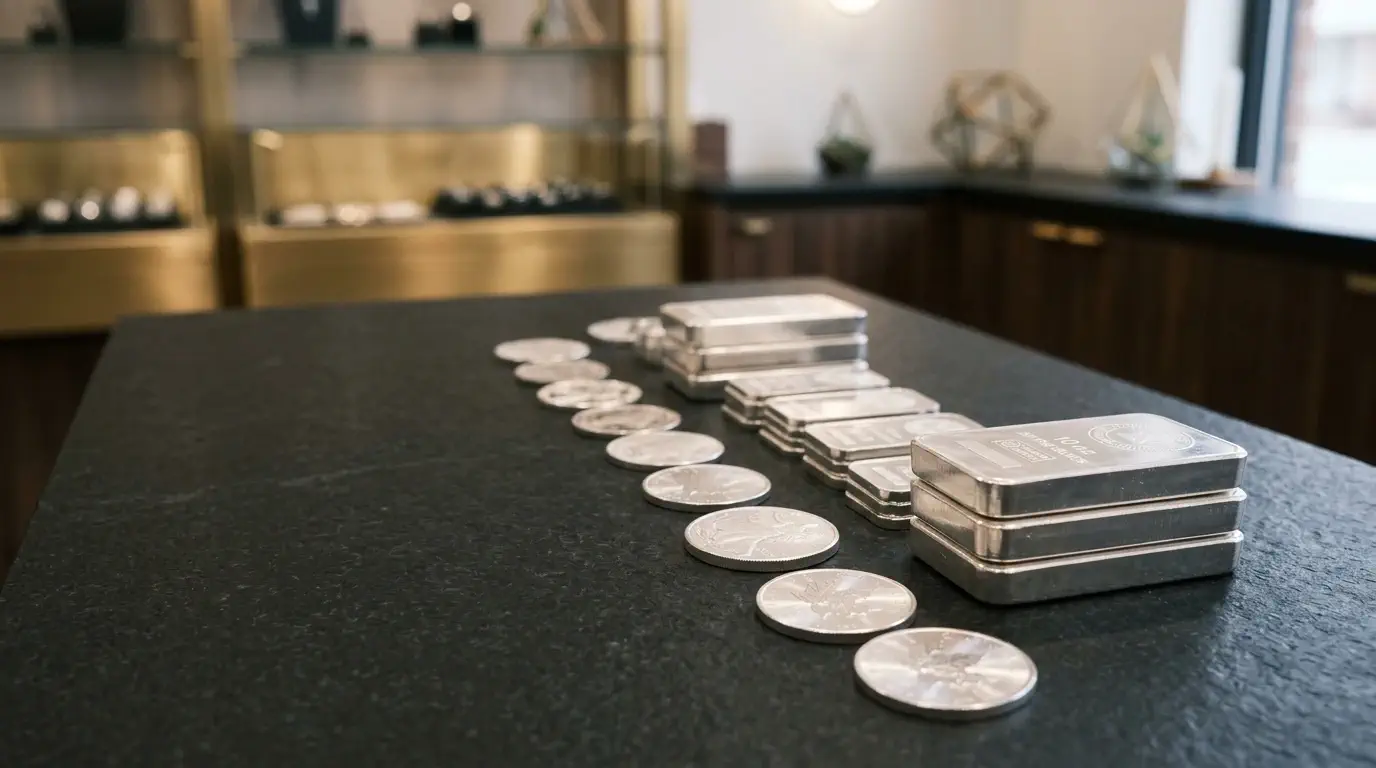
| 999 / Fine Silver | Bullion bars and rounds | 99.9% |
| 958 / Britannia | British higher standard | 95.8% |
| 925 / Sterling / Ster | Standard sterling silver | 92.5% |
| 900 / Coin | Early American coin silver | 90% |
| 835 / 800 | European continental silver | 83.5% / 80% |
| Lion passant | British sterling hallmark | 92.5% |
| EP / EPNS / A1 | Electroplated nickel silver | Trace plating only |
| Silver Plate / Quadruple Plate | Plated base metal | Trace plating only |
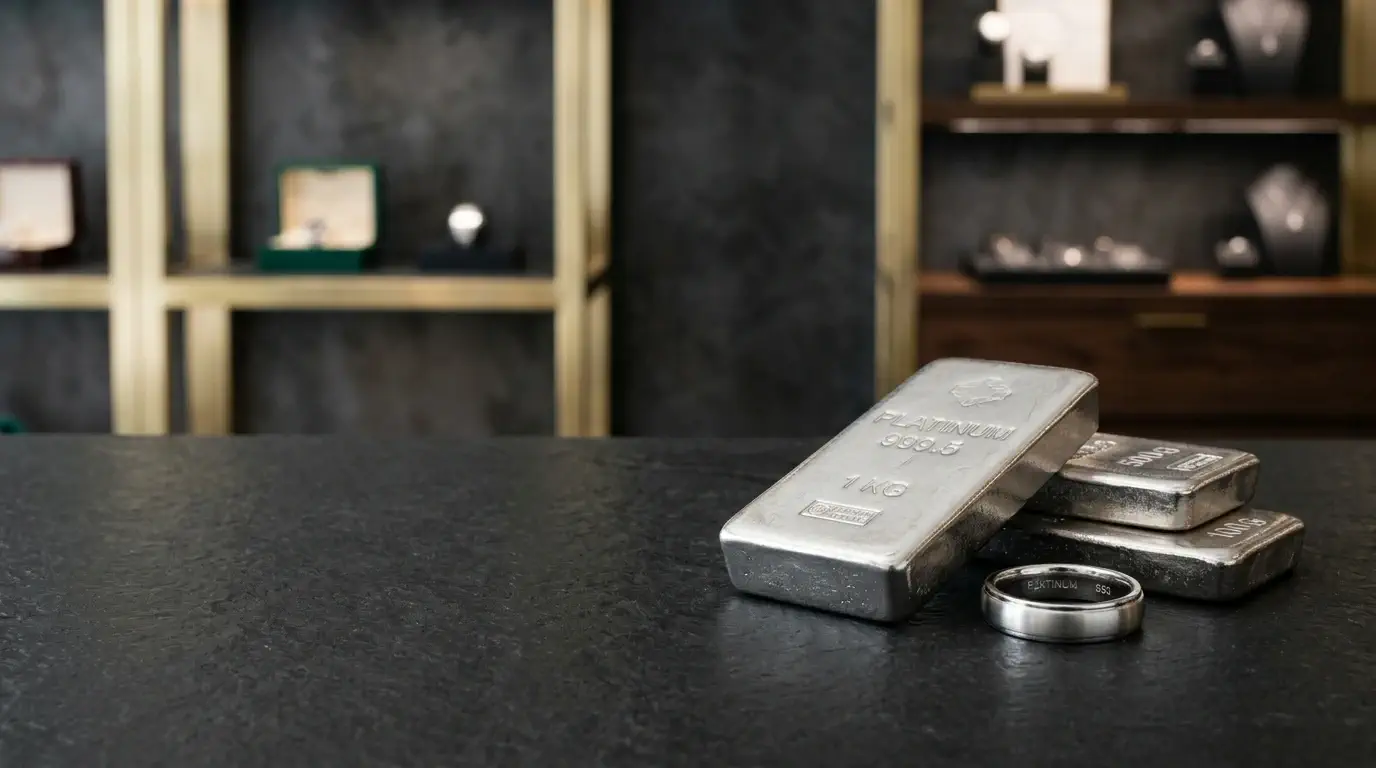
| German Silver / Nickel Silver | Copper, nickel and zinc alloy | No silver at all |
That last row surprises people every week. "German silver" and "nickel silver" contain zero silver. The names describe the color, not the content, and they were never intended to deceive anyone, but a century later they routinely do.
"Tarnish is not damage. It is a thin layer of oxidation that weighs nothing and costs you nothing. Polishing it off, on the other hand, removes real metal."
Weighted Silver: Why That Heavy Candlestick Is Lighter Than It Looks
Here is the single biggest surprise in silver selling. Candlesticks, trophy cups, salt and pepper shakers, and knife handles are frequently made as weighted or reinforced pieces: a thin shell of genuine sterling formed around a core of plaster, cement, pitch, or resin. Look for "Weighted," "Reinforced," or "Sterling Weighted" stamped on the base.
The silver is real, but you are holding maybe a few ounces of it inside a piece that weighs a pound and a half. A buyer has to estimate the shell weight, which is why a weighted candlestick pair rarely pays what its heft suggests. Nobody is shortchanging you; the filler simply is not silver.
Hollow-handled knives work the same way. The blade is stainless steel and the handle is a sterling shell packed with cement. Bring them in anyway, just know the number will be lower than the flatware sitting next to them.
Check Your Change Jar: Pre-1965 US Coins Are 90% Silver
Dimes, quarters, and half dollars minted in the United States through 1964 were struck in an alloy of 90% silver and 10% copper. In 1965 the composition changed to copper-nickel clad, and the silver came out. Kennedy half dollars from 1965 through 1970 kept a reduced 40% silver content, and wartime "war nickels" from 1942 to 1945 carry 35% silver. The full breakdown of every alloy the Mint has used is published in the US Mint coin specifications.
Collectors call these coins "junk silver," which is misleading. There is nothing junky about them; the term just means they carry no numismatic premium beyond their metal content. A coffee can of pre-1965 change from a parent's dresser can add up to a meaningful number, and it is the single most commonly overlooked silver in Houston households.
One important warning: do not clean coins. Ever. Polishing a coin strips its original surface and can wipe out collector value that far exceeds its silver weight. Bring them exactly as you found them, dirt and all.
Want the Full Rundown on What We Buy?
Sterling flatware, tea services, trays, jewelry, bullion bars and rounds, junk silver coins, and scrap. See exactly how our silver buying works before you visit.
Visit Our Silver Buyer Page Get an AppraisalDid You Know? Five Facts About Silver
Context for the tarnished tray currently living in your dining room.
Nothing Conducts Better
Silver has the highest electrical and thermal conductivity of any element on the periodic table. That is why it ends up in circuit boards, switches, and solar panels, and why industry competes with jewelry for the same supply.
Most Silver Is a Byproduct
The majority of newly mined silver does not come from silver mines. It comes out of the ground as a secondary product of copper, lead, and zinc mining, which is tracked in the USGS silver statistics and information reports.
It Kills Bacteria
Silver is naturally antimicrobial, which is why it is woven into hospital dressings, water filters, and athletic fabric. Before refrigeration, people dropped silver coins into milk to slow spoilage.
The Word for Money in Dozens of Languages
In French, Spanish, and many other languages, the word for silver and the word for money are the same. Silver was the working currency of daily commerce for most of recorded history, while gold sat in vaults.
Sterling Is a Compromise, Not a Shortcut
Pure silver is too soft to survive as a fork or a bracelet, so 7.5% copper is added to harden it. That mix has been the standard for roughly 800 years and is the reason your grandmother's flatware survived thousands of dinners.
5 Things to Do Before Selling Silver in Houston
A little prep makes the appraisal faster and the offer easy to verify line by line.
Do Not Polish Anything
Polishing removes a microscopic layer of actual silver every time and can destroy collector value on coins and hallmarked antiques. Bring it tarnished.
Bring a Valid Photo ID
Texas law requires a government-issued ID for precious metal purchases. A driver's license, state ID, or passport works.
Separate Stamped From Unstamped
Group the marked 925 and 900 pieces together and put the questionable ones in a second pile. It speeds up testing and keeps the breakdown clear.
Bring the Whole Set, Odd Pieces Included
Bent forks, single spoons, dented trays, and broken chains are all paid at full metal value. Damage does not reduce silver content.
Watch the Scale
Everything should be weighed on a certified scale and tested in front of you, with weight and purity stated out loud per item. If any part of the evaluation happens out of sight, walk away. That one rule protects you more than anything else on this page.
Find Out What Your Silver Is Actually Worth
Houston Cash For Gold buys sterling flatware and hollowware, tea and coffee services, trays, silver jewelry, bullion bars and rounds, junk silver coins, and plain scrap, in any condition. Every piece is tested and weighed on certified scales right in front of you at 1801 Durham Drive Suite 9, minutes from The Heights, Montrose, and downtown. You get an itemized breakdown, a competitive same-day cash offer, and no obligation to accept it. Walk-ins welcome, no appointment and no credit check. Bringing gold, diamonds, or a watch along at the same time is no trouble, and there are more seller guides on our blog.
Silver Buyer in Houston: FAQ
The questions Houston sellers ask us most before bringing silver in.
Houston Cash For Gold buys silver at 1801 Durham Drive Suite 9, Houston, TX 77007, close to The Heights, Montrose, and downtown. We purchase sterling flatware, hollowware, trays, tea services, silver jewelry, bullion bars and rounds, junk silver coins, and scrap, and every piece is tested and weighed in front of you before we make an offer.
Run three quick checks. Real silver is not magnetic, so a magnet that grips means a plated base metal underneath. Real silver carries a purity stamp such as 925, Sterling, 900, or 800, while plate is marked EP, EPNS, A1, or Silver Plate. And real silver tarnishes evenly to black or brown, whereas plating wears thin at raised edges and shows copper or grey underneath.
Sterling is 92.5% pure silver, so your offer is based on the total weight of the piece, multiplied by that purity, at the current daily market price for silver, minus refining and operating costs. Silver is priced by the troy ounce, which is about 31.1 grams. Because the market moves every day, the only accurate figure is one calculated at the time of your appraisal.
Generally no. Plated pieces carry only a microscopic layer of silver bonded to nickel, copper, or steel, and recovering it costs more than the metal returns. We will test your items and tell you straight away which ones are plated rather than folding them into a lump offer, so you can keep or donate them instead.
No. Polishing removes a thin layer of actual silver every time it is done, and on coins or hallmarked antiques it can destroy collector value worth far more than the metal itself. Tarnish weighs nothing and does not lower your offer. Bring everything exactly as it is.
Weighted or reinforced pieces are a thin shell of genuine sterling formed around a core of plaster, cement, or resin to keep them stable. The silver is real, but there is far less of it than the item's heft suggests. Candlesticks, trophy cups, shakers, and hollow-handled knives are commonly made this way, so a buyer estimates the shell weight rather than paying on total weight.
Sometimes. Dimes, quarters, and half dollars minted through 1964 are 90% silver, and most trade on metal content alone. Certain dates, mint marks, and well-preserved examples carry a collector premium above that. We check for both, which is another reason to bring coins uncleaned.
Bring a valid government-issued photo ID, which Texas law requires for precious metal transactions, along with the silver itself. Original boxes, certificates, or receipts can help on bullion and collectible coins but are not required. No appointment is needed and there is no credit check.
Get a Free Silver Appraisal Today
Bring the flatware, the coin jar, the tarnished tray, all of it. We test and weigh everything at the counter and hand you a fair same-day cash offer. No appointment, no credit check, no obligation to sell.
Call or text (832) 295-9155 · 1801 Durham Drive Suite 9, Houston, TX 77007