Houston Cash for Gold

Author name: 667648pwpadmin

Blogs

The Art and Science of Melting Gold: A Comprehensive Guide

Gold has long been revered for its beauty, malleability, and intrinsic value. Melting gold is a process that has been practiced for centuries, from ancient civilizations to modern-day jewelers and refiners. Whether you’re interested in melting gold for jewelry making, recycling, or investment purposes, understanding the process and its applications can be both fascinating and rewarding. Why Melt Gold? Melting gold serves various purposes, including: Jewelry Making: Melting gold allows jewelers to create custom pieces, repair existing items, or recycle old jewelry into new designs. Recycling: Scrap gold, such as broken jewelry, dental gold, or electronics, can be melted down and refined for reuse, reducing waste and conserving resources. Investment: Investors may melt gold to form bars or coins, making it easier to store and trade. Purification: Melting gold can help separate it from impurities and alloys, resulting in higher purity levels. The Process of Melting Gold Melting gold involves several steps, each requiring careful attention to detail to ensure safety and quality. Here’s a breakdown of the process:1. Gathering Materials and Tools Gold Items: Gather the gold you wish to melt, whether it’s jewelry, scrap, or gold dust. Crucible: A crucible is a heat-resistant container used to hold the gold as it melts. Crucibles are often made of graphite or ceramic. Torch or Furnace: A high-temperature heat source, such as a propane torch or electric furnace, is needed to reach gold’s melting point. Flux: Flux is a chemical agent used to help remove impurities from the gold during the melting process. Protective Gear: Safety goggles, gloves, and aprons are essential to protect yourself from the intense heat and potential splashes of molten metal. 2. Preparation Weigh the Gold: Knowing the weight of your gold helps in determining the amount of flux needed and understanding the value of the melted gold. Clean the Gold: Remove any dirt, dust, or non-metallic materials from the gold to ensure a clean melting process. Add Flux: Mix the gold with the appropriate amount of flux to facilitate the removal of impurities. 3. Melting the Gold Heat the Crucible: Begin by preheating the crucible to avoid thermal shock, which could cause it to crack. Add the Gold: Place the gold into the heated crucible. Apply Heat: Use the torch or furnace to heat the gold. Gold’s melting point is 1,064°C (1,948°F), so it’s crucial to maintain a consistent and sufficient temperature. Stir and Skim: As the gold melts, impurities will rise to the surface. Stir the molten gold gently and skim off the impurities with a metal rod or skimmer. 4. Pouring the Molten Gold Mold Preparation: If you’re casting the gold into a specific shape, preheat the mold to prevent the molten gold from cooling too quickly and causing imperfections. Pour the Gold: Carefully pour the molten gold into the mold or another desired container. Allow it to cool and solidify. 5. Finishing and Polishing Remove from Mold: Once cooled, remove the solidified gold from the mold. Clean and Polish: Clean the gold to remove any remaining flux and polish it to achieve the desired finish. Safety Considerations Melting gold involves handling extremely high temperatures, so safety should always be a top priority. Here are some essential safety tips: Work in a Well-Ventilated Area: Proper ventilation helps disperse any fumes generated during the melting process. Wear Protective Gear: Always wear heat-resistant gloves, safety goggles, and a protective apron. Use Proper Equipment: Ensure all tools and equipment are in good condition and designed for high-temperature applications. Avoid Water: Never introduce water into the molten gold, as it can cause violent reactions. Applications of Melted Gold Once melted, gold can be repurposed in various ways: Jewelry Creation: Custom rings, necklaces, and other pieces can be crafted from melted gold. Gold Bars or Coins: Melted gold can be cast into bars or coins for investment purposes. Artistic Creations: Artists and designers use melted gold to create intricate sculptures and decorative items.
Blogs

How to Clean Your Jewelry: Keep Your Treasures Sparkling

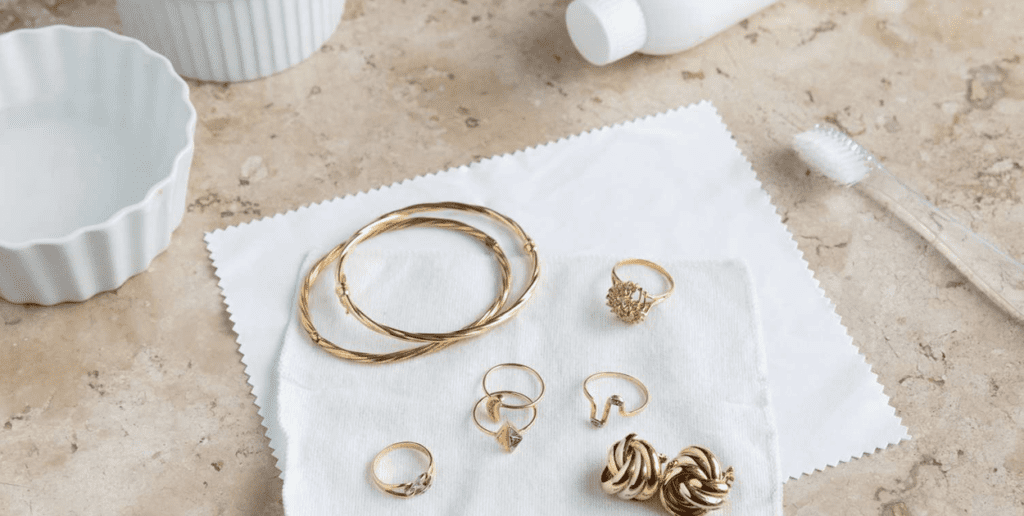
Jewelry is not just a fashion statement; it’s a symbol of memories, milestones, and personal style. Over time, even the most cherished pieces can lose their shine due to exposure to dirt, oils, and everyday wear. Regular cleaning can help restore your jewelry’s brilliance and ensure it remains as stunning as the day you got it. Here’s a simple guide to cleaning your jewelry at home. Why Cleaning Your Jewelry Matters Maintains Appearance: Cleaning removes dirt and grime, bringing back the original sparkle and shine. Preserves Quality: Regular cleaning prevents the buildup of materials that can cause damage over time, such as tarnish on silver or residue on gemstones. Hygiene: Jewelry can accumulate bacteria and oils from skin contact, making cleaning essential for hygiene reasons. Basic Supplies for Cleaning Jewelry Before you start, gather these basic supplies: Mild Dish Soap: A gentle soap is perfect for cleaning most types of jewelry. Warm Water: Helps to loosen dirt and grime. Soft Toothbrush: Ideal for getting into crevices without scratching delicate surfaces. Lint-Free Cloth: A soft cloth is perfect for drying and polishing your jewelry. Bowl: To mix the cleaning solution and soak the jewelry. Why Cleaning Your Jewelry Matters 1. Prepare the Cleaning Solution Mix a few drops of mild dish soap with warm water in a bowl. The water should be warm, not hot, to avoid damaging delicate stones. 1. Prepare the Cleaning Solution Place your jewelry in the solution and let it soak for about 15-20 minutes. This helps to loosen any dirt and grime that has built up. 3. Gently Scrub Use a soft toothbrush to gently scrub the jewelry, focusing on crevices and areas where dirt is most likely to accumulate. Be careful not to apply too much pressure, especially on delicate pieces. 4. Rinse and Dry Rinse the jewelry under lukewarm running water to remove any remaining soap residue. Use a lint-free cloth to gently pat the jewelry dry. 5. Polish (Optional) For an extra shine, use a jewelry polishing cloth to gently buff the jewelry. This step is particularly effective for gold, silver, and platinum pieces. Tips for Specific Types of Jewelry Gold Jewelry: Gold is relatively easy to clean. A gentle soap and water solution works well, and a polishing cloth can restore its shine. Silver Jewelry: Silver can tarnish over time. Use a silver polish or a homemade solution of baking soda and water to remove tarnish effectively. Diamonds and Gemstones: While most gemstones can be cleaned with soap and water, some stones are more delicate (like pearls or opals). Avoid harsh chemicals and always consult a jeweler for delicate or valuable pieces. Pearls: Pearls are soft and porous, requiring special care. Wipe them gently with a damp cloth and avoid soaking them in water. When to Seek Professional Cleaning For intricate, valuable, or antique pieces, professional cleaning is recommended. Jewelers have the expertise and equipment to clean and inspect your jewelry, ensuring it’s done safely without risk of damage. Conclusion: Keep Your Jewelry Looking Its Best Regular cleaning is the key to maintaining the beauty and longevity of your jewelry. With a few simple tools and steps, you can easily restore your favorite pieces to their original luster. For those special or delicate items, don’t hesitate to seek professional help to ensure they receive the care they deserve. By keeping your jewelry clean, you’ll enjoy its sparkle and elegance for years to come.

Blogs

Selling Your Gold in Cypress: How Houston Cash For Gold Offers the Best Deals

When it comes to selling your gold in Cypress, finding a buyer who offers competitive prices and trustworthy service is crucial. Whether you’re selling gold jewelry, coins, or other items, Houston Cash For Gold provides a reliable option for residents in the Cypress area. This guide will walk you through the process of selling your gold, what to expect, and why Houston Cash For Gold is the best choice for getting top dollar. Understanding the Value of Your Gold The value of your gold is determined by several factors, including: Purity: Gold is measured in karats, with 24k being the purest form. The higher the karat, the more valuable the gold. Weight: The weight of your gold is another critical factor. Gold is typically weighed in grams or ounces, and its value is directly proportional to its weight. Current Market Price: Gold prices fluctuate based on the global market. It’s important to know the current price of gold when you’re selling to ensure you’re getting a fair deal. Condition: While the condition of gold jewelry can influence its resale value, the primary factors are its purity and weight. However, well-maintained jewelry might fetch a higher price if sold to a jeweler rather than for scrap gold. Why Sell to Houston Cash For Gold in Cypress? Houston Cash For Gold has built a strong reputation in the Cypress area for offering fair prices and excellent customer service. Here’s why you should consider them when selling your gold: Competitive Pricing: Houston Cash For Gold stays updated with the latest market rates to ensure you receive a competitive offer for your gold items. Transparency: The team at Houston Cash For Gold provides a clear and honest evaluation of your gold, explaining how they arrive at the offer so you can make an informed decision. Convenience: Located conveniently for Cypress residents, Houston Cash For Gold offers a smooth, hassle-free process for selling your gold. Whether you’re looking to sell gold jewelry, coins, or other items, their team makes the experience straightforward and stress-free. Trustworthiness: With years of experience in the industry, Houston Cash For Gold has earned the trust of many satisfied customers. Their reputation for integrity and fair dealing makes them a top choice for selling gold in the Cypress area. How to Get Started Gather Your Gold Items: Whether it’s jewelry, coins, or scrap gold, collect all the gold items you’re looking to sell. Get an Evaluation: Visit Houston Cash For Gold for a professional evaluation of your items. They’ll weigh and assess the purity of your gold to determine its value. Compare Offers: While Houston Cash For Gold offers competitive pricing, it’s always a good idea to compare offers from other buyers to ensure you’re getting the best deal. Make Your Decision: Once you’re satisfied with the offer, you can sell your gold and walk away with cash in hand. Conclusion: Choose Houston Cash For Gold for the Best Gold Selling Experience in Cypress If you’re looking to sell gold in Cypress, Houston Cash For Gold should be at the top of your list. With their fair pricing, transparent evaluations, and convenient location, they make the process of selling your gold as easy and profitable as possible. Whether you have a single piece of jewelry or a collection of gold items, Houston Cash For Gold is ready to help you get the best value. Visit Houston Cash For Gold today and discover why so many Cypress residents trust them with their gold-selling needs.

Blogs

Get Top Dollar with Houston Cash for Gold in Missouri City

When it comes to selling your gold, finding a trustworthy and reliable buyer is crucial. For residents of Missouri City, Houston Cash for Gold offers a seamless and rewarding experience, ensuring you get the best value for your precious metals. Whether you have gold jewelry, coins, or other gold items, our service is designed to provide you with top dollar in a quick and hassle-free manner. Why Choose Houston Cash for Gold? Selling gold can be a daunting task, especially if you’re unsure of where to go or how much your items are worth. At Houston Cash for Gold, we simplify the process by offering: Expert Appraisals: Our team of experienced appraisers will evaluate your gold items with precision, taking into account the weight, purity, and current market value of gold. We provide transparent and fair assessments, so you know exactly what your items are worth. Competitive Offers: We understand the importance of getting the most value for your gold. That’s why we consistently offer some of the highest payouts in Missouri City. Whether you’re selling gold jewelry, coins, or even broken gold items, you can trust that you’ll receive a competitive offer. No Pressure, No Obligation: We believe in providing a comfortable and stress-free environment for our clients. When you bring your gold to us, there’s no pressure to sell. You’ll receive a fair offer, and the decision to accept or decline is entirely up to you. Immediate Payment: Once you decide to sell, you won’t have to wait for your money. We provide instant cash payments, so you can leave with your money in hand the same day. Trusted Reputation: As part of the Houston Cash for Gold family, we have built a strong reputation for honesty, transparency, and excellent customer service. Missouri City residents can feel confident knowing they’re working with a trusted and reputable business. What Can You Sell? At Houston Cash for Gold in Missouri City, we accept a wide range of gold items, including: Gold jewelry (rings, necklaces, bracelets, earrings) Gold coins and bullion Broken or damaged gold pieces Gold watches Dental gold No matter the condition, we are interested in evaluating your gold items and offering you the best possible price. Why Sell Your Gold Now? The gold market is dynamic, with prices often fluctuating. With gold currently maintaining strong value in the market, now is an excellent time to sell. Whether you’re looking to declutter, raise funds for an unexpected expense, or simply cash in on your unused gold, Houston Cash for Gold in Missouri City provides a reliable solution. Visit Us Today If you’re ready to turn your gold into cash, visit us at Houston Cash for Gold in Missouri City. Our friendly and knowledgeable staff is here to guide you through the process, ensuring you get the best value for your gold. With our commitment to fair pricing and exceptional customer service, you’ll see why so many Missouri City residents trust us when selling their gold. Don’t let your gold gather dust—turn it into cash today with Houston Cash for Gold in Missouri City!

Blogs

Why You Should Get Your Gold Jewelry Appraised

Gold jewelry holds significant sentimental and financial value, making it essential to understand its true worth. Whether you’ve inherited a family heirloom, received a precious gift, or made a personal investment, getting your gold jewelry appraised offers numerous benefits. Here’s why you should consider having your gold jewelry appraised: 1. Accurate Valuation An appraisal provides an accurate valuation of your gold jewelry. Expert appraisers consider factors like weight, purity, craftsmanship, and current market prices to determine the true worth of your pieces. This information is crucial for making informed decisions, whether you’re selling, insuring, or simply curious about the value of your jewelry. 2. Insurance Purposes Insurance companies require a detailed appraisal to provide coverage for your gold jewelry. In case of theft, loss, or damage, having an appraisal ensures that you can claim the full value of your items. Regular appraisals help keep your insurance policy up to date with the current market value, offering peace of mind. 3. Selling Your Jewelry If you’re considering selling your gold jewelry, an appraisal is a vital first step. Knowing the exact value helps you set a fair price and negotiate confidently with potential buyers. It also prevents you from undervaluing your jewelry and ensures you receive a fair return on your investment. 3. Selling Your Jewelry Appraisals are essential for estate planning and division of assets. They provide a clear valuation of your gold jewelry, helping to avoid disputes among heirs and ensuring a fair distribution. An appraisal report can also assist in determining estate taxes and settling legal matters. 5. Authentication and Documentation An appraisal not only provides a valuation but also authenticates your gold jewelry. This is particularly important for rare or antique pieces. The appraisal report serves as a documented proof of authenticity, which can be invaluable when selling or insuring your jewelry. 6. Market Trends Gold prices fluctuate based on market trends. Regular appraisals help you stay informed about the current value of your jewelry. This knowledge allows you to make strategic decisions about when to sell or hold onto your gold items, maximizing your investment. 7. Personal Knowledge Understanding the value of your gold jewelry can be personally rewarding. Whether it’s a piece passed down through generations or a recent purchase, knowing its worth adds to its sentimental value and helps you appreciate its significance even more. Choosing the Right Appraisal Service When seeking an appraisal, it’s crucial to choose a reputable and experienced appraiser. Look for professionals with certifications from recognized organizations, such as the Gemological Institute of America (GIA) or the American Society of Appraisers (ASA). Reading reviews and asking for recommendations can also guide you to a trustworthy appraiser. Conclusion Getting your gold jewelry appraised is a wise decision that offers numerous benefits, from accurate valuations and insurance purposes to informed selling and estate planning. At Houston Cash For Gold, our expert appraisers provide reliable and precise assessments, ensuring you know the true worth of your precious items. Visit us today for a professional and comprehensive appraisal experience.

How to Prepare Your Gold Items for Sale Cleaning and Sorting Tips
Blogs

How to Prepare Your Gold Items for Sale: Cleaning and Sorting Tips

Selling your gold can be a great way to make extra money, but proper preparation can make a big difference in the value you receive. Here are some practical tips on how to clean and sort your gold items to maximize their appraisal value. Cleaning Your Gold Items Use Mild Soap and Water: Mix a small amount of mild dish soap with warm water. Soak your gold items for a few minutes to loosen any dirt and grime. Gently Scrub with a Soft Brush: Use a soft-bristled toothbrush to gently scrub your gold items. Be careful not to scratch the surface, especially if your items have intricate designs. Rinse Thoroughly: Rinse your gold items under warm running water to remove any soap residue. Make sure to do this over a bowl or strainer to avoid losing any small pieces. Dry with a Soft Cloth: Pat your gold items dry with a soft, lint-free cloth. Avoid using paper towels or tissues, as they can leave fibers or cause scratches. Avoid Harsh Chemicals: Do not use bleach, chlorine, or abrasive cleaners, as these can damage your gold items. Sorting Your Gold Items Use Mild Soap and Water: Mix a small amount of mild dish soap with warm water. Soak your gold items for a few minutes to loosen any dirt and grime. Gently Scrub with a Soft Brush: Use a soft-bristled toothbrush to gently scrub your gold items. Be careful not to scratch the surface, especially if your items have intricate designs. Rinse Thoroughly: Rinse your gold items under warm running water to remove any soap residue. Make sure to do this over a bowl or strainer to avoid losing any small pieces. Dry with a Soft Cloth: Pat your gold items dry with a soft, lint-free cloth. Avoid using paper towels or tissues, as they can leave fibers or cause scratches. Avoid Harsh Chemicals: Do not use bleach, chlorine, or abrasive cleaners, as these can damage your gold items. How Proper Preparation Can Increase Appraisal Value Taking the time to clean and organize your gold items can significantly impact their appraisal value. Here’s how: Better Presentation: Clean and well-organized items present better and can create a positive impression on the appraiser. Accurate Valuation: Properly sorted items by karat and type allow the appraiser to give a more accurate valuation. Highlighting Quality: Clean gold items can highlight their true quality and luster, potentially leading to a higher appraisal. Efficiency: Organized items make the appraisal process quicker and more efficient, which can result in a more favorable appraisal. Conclusion preparing your gold items for sale by cleaning and sorting them can help you get the best possible value. Follow these simple tips to ensure your gold items are ready for a professional appraisal.For more information on selling your gold and getting the best value, visit Houston Cash for Gold today.

Understanding Gold Weight Measurements Grams, Ounces, and More
Blogs

Understanding Gold Weight Measurements: Grams, Ounces, and More

When selling gold, understanding how it’s measured can help you get the best value for your items. Gold is measured in various units, and knowing these measurements can simplify the process. Here’s a guide to understanding gold weight measurements and how to calculate the value of your gold. Different Units of Measurement in the Gold Industry Grams (g): The gram is a standard unit of measurement in the metric system. It is commonly used in many countries and is a straightforward way to measure small amounts of gold. Troy Ounces (oz t): The troy ounce is the most widely used measurement in the gold industry. One troy ounce equals approximately 31.1 grams. It’s important to note that a troy ounce is different from a regular ounce, which is about 28.35 grams. Pennyweights (dwt): A pennyweight is another unit used in the gold industry, particularly in the United States. One troy ounce equals 20 pennyweights, and one pennyweight equals about 1.55 grams. Grains (gr): Grains are a smaller unit of measurement often used for very small quantities of gold. There are 480 grains in a troy ounce, and one grain equals approximately 0.065 grams. Conversion Charts and Tips for Calculating Value To help you calculate the value of your gold, here are some conversion charts and tips: Conversion Chart   Unit Equivalent in Grams (g) Equivalent in Troy Ounces (oz t) Equivalent in Pennyweights (dwt) Equivalent in Grains (gr) 1 Gram (g) 1 0.03215 0.643 15.432 1 Troy Ounce (oz t) 31.1035 1 20 480 1 Pennyweight (dwt) 1.5552 0.05 1 24 1 Grain (gr) 0.0648 0.00208 0.04167 1 Tips for Calculating Gold Value Know the Current Price of Gold: Gold prices fluctuate daily based on market conditions. Check a reliable financial news source or website for the current price per gram or troy ounce. Weigh Your Gold: Use a precise digital scale to weigh your gold. Ensure you measure in grams or troy ounces for accuracy. Calculate the Total Weight: If you have multiple items, weigh each one and add up the total weight in grams or troy ounces. Convert to Your Preferred Unit: Use the conversion chart to convert the total weight into the unit you prefer, whether it’s grams, troy ounces, pennyweights, or grains. Determine the Value: Multiply the total weight by the current price of gold per unit.  For example, if you have 10 grams of gold and the current price is $60 per gram, the value is 10 x 60 = $600. Conclusion Understanding gold weight measurements can make a big difference when buying or selling gold. By knowing the different units of measurement and how to convert between them, you can ensure you get the best value for your gold items. Visit Houston Cash for Gold for more information and expert advice.

Current Events Affect Gold Prices
Blogs

How Current Events Affect Gold Prices

Gold prices are not just influenced by supply and demand. Economic events and global trends also play a significant role in determining the value of gold. Understanding these factors can help you make informed decisions about when to sell your gold. Economic Events and Global Trends Inflation: When inflation rises, the value of paper currencies tends to decrease. Investors often turn to gold as a hedge against inflation, driving up its price. Interest Rates: Low interest rates make gold more attractive because it doesn’t yield interest like other investments. Conversely, high interest rates can reduce the demand for gold. Currency Strength: A weak currency can make gold more expensive for holders of that currency, potentially reducing demand and lowering prices. Geopolitical Events: Uncertainty or instability in global politics can increase the demand for gold as a safe haven asset, leading to higher prices. Historical Context on Gold as an Investment Gold has been used as a store of value for centuries. It has a long history of retaining its worth during economic downturns and crises. This is why many investors see gold as a reliable investment during uncertain times. In recent decades, gold prices have experienced significant fluctuations. In the 1970s, for example, political and economic uncertainty led to a sharp increase in gold prices. However, prices fell in the 1980s and the 1990s as the economy stabilized. Predictions and Advice on the Best Times to Sell Gold While it’s difficult to predict the exact future of gold prices, there are certain trends to watch for when considering selling your gold: Market Volatility: High volatility often leads to increased demand for gold, potentially driving up prices. Economic Indicators: Pay attention to economic indicators such as GDP growth, unemployment rates, and consumer confidence, as these can provide clues about future gold prices. Global Events: Geopolitical events, such as elections or conflicts, can impact gold prices. Monitor these events for potential selling opportunities. Conclusion In conclusion, understanding how current events affect gold prices can help you make informed decisions about selling your gold. By keeping an eye on economic indicators and global trends, you can maximize the value of your investment.For more information on how to sell your gold at the right time, visit Houston Cash for Gold today.

Gold DIY Test
Blogs

How to Determine the Authenticity of Your Gold: DIY Tests

Determining whether your gold is genuine can save you time and money. While professional appraisals are the most accurate, there are several simple tests you can perform at home to check for real gold. Here’s a guide to DIY gold tests and how they compare to professional appraisals. Simple Home Tests to Check for Real Gold The Magnet Test: How it Works: Gold is not magnetic. To perform this test, simply hold a magnet close to your gold item. What to Look For: If the item sticks to the magnet, it is likely not real gold. However, if it does not stick, it could be real gold or another non-magnetic metal. The Float Test: How it Works: Real gold is dense and will sink in water. What to Look For: Fill a bowl with water and gently drop your gold item in. If it sinks to the bottom, it is more likely to be real gold. If it floats or hovers, it is likely fake or gold-plated. The Scratch Test: How it Works: Gold is a soft metal that will leave a mark on a piece of unglazed ceramic. What to Look For: Rub your gold item against a piece of unglazed ceramic tile. If it leaves a gold streak, it is likely real gold. If the streak is black or gray, it is not real gold. The Vinegar Test: How it Works: Gold does not react with vinegar. What to Look For: Place a few drops of vinegar on your gold item. If the metal changes color or reacts, it is not real gold. Real gold will remain unaffected. The Nitric Acid Test: How it Works: Nitric acid does not affect real gold. What to Look For: Carefully apply a small drop of nitric acid to a tiny scratch on the item. If the metal turns green or reacts, it is not real gold. If there is no reaction, it is likely real gold. Note: This test involves handling acid and should be done with caution. Comparing DIY Methods with Professional Appraisals While DIY tests can give you a good indication of whether your gold is real, they are not foolproof. Here’s how they compare to professional appraisals: Accuracy: Professional appraisals are far more accurate. Jewelers and appraisers use specialized equipment and techniques, such as X-ray fluorescence (XRF) analysis, to determine the exact composition of the metal. Detailed Information: A professional appraisal will provide detailed information about your gold item, including its weight, purity, and value. DIY tests can only give you a basic idea of whether the gold is real. Expertise: Professional appraisers have the expertise to identify and evaluate gold items accurately. They can also detect sophisticated fakes that might pass DIY tests. Certification: Many professional appraisers can provide a certificate of authenticity, which can be valuable if you decide to sell your gold. Conclusion Performing simple tests at home can help you determine if your gold is real, but they are not as reliable as a professional appraisal. For the most accurate and detailed evaluation, consider having your gold items appraised by a professional. For expert appraisals and to ensure you get the best value for your gold, visit Houston Cash for Gold today!

gold bar buyer in Houston
Blogs

Understanding Gold Purity and Karat: What Do They Mean?

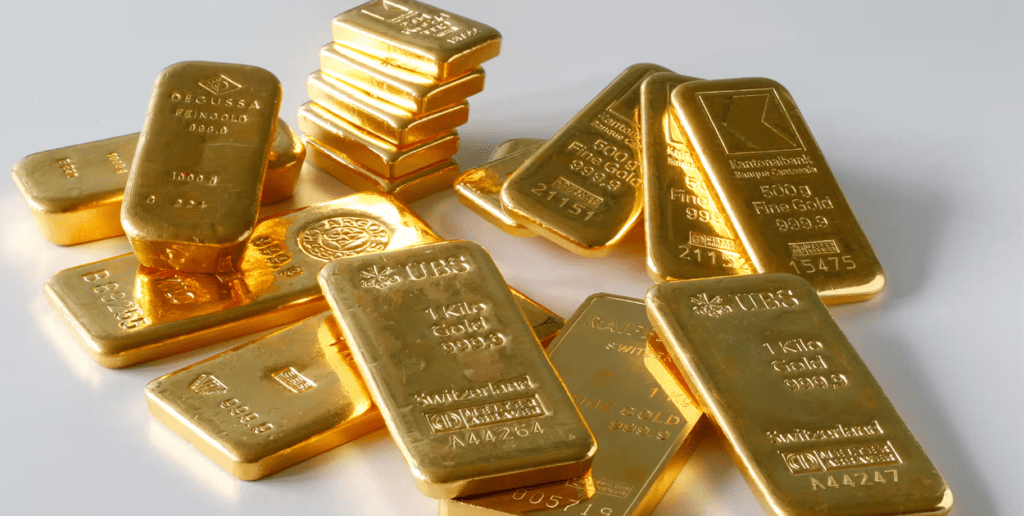
Different karat ratings and their significance. When buying or selling gold, understanding karat ratings is crucial. The term “karat” (often abbreviated as “K” or “Kt”) measures the purity of gold. Pure gold is 24 karats, meaning it is 100% gold with no other metals mixed in. However, pure gold is quite soft and prone to scratching and bending, so it is often alloyed with other metals like copper, silver, or nickel to increase its durability. Here are common karat ratings and what they signify: 24K Gold: 100% pure gold. It’s the most valuable but also the softest, often used in high-end jewelry and investments. 22K Gold: Contains 91.7% gold and 8.3% other metals. It’s still quite pure and has a rich color but is slightly more durable than 24K. 18K Gold: Contains 75% gold and 25% other metals. This balance offers a good mix of purity and durability, making it popular for fine jewelry. 14K Gold: Contains 58.3% gold and 41.7% other metals. It’s more affordable and much more durable, ideal for everyday jewelry. 10K Gold: Contains 41.7% gold and 58.3% other metals. This is the least pure gold that can still be legally labeled as gold in many countries. It’s very durable and more budget-friendly. How purity affects the value of gold. Gold purity directly affects its value. The higher the karat rating, the higher the gold content and, consequently, the higher the value. Here’s why purity matters: Intrinsic Value: Pure gold (24K) has a higher intrinsic value because it contains the maximum amount of gold. As the karat rating decreases, the gold content decreases, reducing the intrinsic value. Market Value: The market value of gold items depends on the current price of gold, which fluctuates based on economic conditions, demand, and supply. Higher-purity gold will fetch a higher price per gram or ounce compared to lower-purity gold. Investment Value: For investors, higher karat gold is often preferred because of its higher resale value. Bullion and investment-grade coins are typically made from 24K gold to maximize value. Durability and Wearability: While higher-karat gold is more valuable, it’s also less durable. Lower karat gold, though less pure, is harder and more suitable for items that will be worn frequently. A guide on how to read and interpret gold markings. Gold items are often stamped with markings that indicate their karat rating and sometimes the manufacturer. Here’s how to read and interpret these markings: Karat Markings: Look for a number followed by “K” or “Kt.” For example, “24K” means the item is made of 24-karat gold. Other common markings include “22K,” “18K,” “14K,” and “10K.” Decimal Markings: In some countries, gold purity is marked with a decimal system. For example: “999” or “999.9” indicates 24K gold. “916” indicates 22K gold. “750” indicates 18K gold. “585” indicates 14K gold. “417” indicates 10K gold. Manufacturer’s Mark: Many gold items also have a manufacturer’s mark or logo, which can provide information about the item’s origin and authenticity. Other Markings: Some items may also include additional marks, such as the country of origin, assay office marks, or symbols indicating compliance with local laws. By understanding these markings, you can accurately determine the purity of your gold items and make informed decisions when buying or selling. Conclusion Understanding gold purity and karat ratings is essential for anyone interested in buying, selling, or investing in gold. Higher karat gold is purer and more valuable, but it is also softer and more prone to damage. Lower karat gold offers better durability but has a lower gold content. Knowing how to read and interpret gold markings ensures you get the best value and authenticity in your gold transactions. For more information on gold purity, karat ratings, and how to get the best value for your gold, visit Houston Cash for Gold today!

Speak To A Jeweler