Houston Cash for Gold

Author name: 667648pwpadmin

Blogs

The Role of Certification and Accreditation in the Cash for Gold Industry: Upholding Trust and Reliability

In the bustling world of cash for gold transactions, where precious metals change hands daily, ensuring trust and reliability is paramount. One of the key mechanisms that underpin this trust is certification and accreditation. In this blog, we delve into the pivotal role that certification and accreditation play in the cash for gold industry and how they uphold standards of integrity, transparency, and quality assurance. Setting the Standard: Understanding Certification and Accreditation Before we delve into the specifics of certification and accreditation in the cash for gold industry, let’s clarify these terms: Certification: Certification is the process by which an independent third party assesses and verifies that a product, service, or process meets predetermined standards of quality, safety, and compliance. In the context of the cash for gold industry, certification ensures that gold buyers adhere to ethical and transparent practices. Accreditation: Accreditation is the formal recognition of an organization’s competence to perform specific tasks or services. Accredited bodies assess the competence and impartiality of certification bodies, ensuring that their certification processes are rigorous, reliable, and credible. Why Certification and Accreditation Matter in Cash for Gold Transactions In an industry where trust is paramount, certification and accreditation serve several critical functions: Ensuring Transparency: Certification programs in the cash for gold industry require gold buyers to adhere to strict standards of transparency and disclosure. This includes providing clear pricing information, accurate assessments of gold purity, and detailed transaction records for each sale. Protecting Consumers: Certification and accreditation programs provide consumers with peace of mind, knowing that they are dealing with reputable and trustworthy gold buyers. By choosing certified and accredited gold buyers, consumers can minimize the risk of fraud, deception, or unfair practices. Maintaining Ethical Standards: Certification and accreditation bodies set ethical guidelines and standards of conduct for gold buyers to follow. This includes guidelines on fair pricing, ethical sourcing of gold, and responsible business practices. By adhering to these standards, certified gold buyers demonstrate their commitment to ethical conduct and corporate responsibility. Promoting Accountability: Certification and accreditation programs hold gold buyers accountable for their actions and practices. By subjecting them to independent audits and assessments, these programs ensure that gold buyers uphold the highest standards of professionalism, integrity, and accountability. Choosing Certified and Accredited Gold Buyers: What to Look For When selling gold, it’s essential to choose a certified and accredited gold buyer that you can trust. Here are some key factors to consider: Certification and Accreditation: Look for gold buyers that are certified by reputable certification bodies and accredited by recognized accreditation organizations. This ensures that they meet stringent standards of quality, integrity, and reliability. Reputation and Reviews: Research the reputation of the gold buyer by reading reviews, testimonials, and customer feedback. A reputable gold buyer will have a track record of satisfied customers and positive reviews. Transparency and Pricing: Choose a gold buyer that provides transparent pricing information and conducts transactions openly and honestly. Avoid gold buyers that use high-pressure sales tactics or offer prices significantly below market value. Customer Service and Support: Consider the level of customer service and support offered by the gold buyer. Look for gold buyers that are responsive, knowledgeable, and willing to address any questions or concerns you may have. In Conclusion: Upholding Trust in Cash for Gold Transactions Certification and accreditation play a vital role in upholding trust and reliability in the cash for gold industry. By choosing certified and accredited gold buyers, consumers can have confidence that they are dealing with reputable and trustworthy businesses that adhere to the highest standards of integrity, transparency, and professionalism. Whether you’re selling gold jewelry, coins, or bullion, choosing a certified and accredited gold buyer is essential to ensuring a fair and secure transaction.
Evolution of Cash for Gold
Blogs

The Evolution of Cash for Gold Businesses: Adapting to Changing Times

In the ever-evolving landscape of commerce, industries undergo transformations driven by technological advancements, changing consumer preferences, and economic shifts. One such industry that has witnessed a remarkable evolution is cash for gold businesses. From humble beginnings in pawnshops to the rise of specialized gold buying services, the journey of cash for gold businesses reflects the dynamic nature of modern entrepreneurship. In this blog, we delve into the evolution of cash for gold businesses, tracing their roots, exploring their growth, and envisioning their future in a rapidly changing world. The Early Days: Pawnshops as Hubs for Gold Transactions The concept of exchanging gold for cash dates back centuries, with pawnshops serving as the primary venues for such transactions. Pawnbrokers would assess the value of gold items brought in by customers, offer cash loans based on their appraisal, and hold the items as collateral. If the borrower failed to repay the loan, the pawnbroker would retain ownership of the gold items, which could then be sold for profit. While pawnshops provided a convenient option for individuals in need of quick cash, they often lacked specialized expertise in gold appraisal and offered limited transparency and pricing information to customers. As consumer demand for more transparent and customer-friendly gold buying services grew, a new breed of cash for gold businesses began to emerge. The Rise of Specialized Gold Buying Services With the advent of the internet and advancements in technology, specialized gold buying services gained prominence, offering consumers a more convenient, transparent, and efficient way to sell their gold items. These specialized businesses differentiate themselves from traditional pawnshops by focusing exclusively on gold buying, employing trained experts in gold appraisal, and providing transparent pricing and transaction processes. Specialized gold buying services typically operate through a combination of physical locations, mail-in services, and online platforms. Customers can visit a local office, send their gold items by mail, or complete transactions online, receiving prompt payment for their gold based on current market prices and the assessed value of their items. Key Factors Driving the Evolution of Cash for Gold Businesses Several factors have contributed to the evolution of cash for gold businesses and the rise of specialized gold buying services: Consumer Demand: As consumers increasingly seek convenience, transparency, and fair pricing in their transactions, specialized gold buying services have emerged to meet these demands, offering a more customer-centric approach to gold buying. Technological Advancements: The proliferation of internet-enabled devices and digital platforms has facilitated the growth of online gold buying services, enabling customers to sell their gold items from the comfort of their homes and receive prompt payment through electronic transfer. Expertise and Specialization: Specialized gold buying services differentiate themselves by offering expertise in gold appraisal and pricing, employing trained professionals who can accurately assess the value of gold items and provide competitive offers to customers. Market Dynamics: Fluctuations in gold prices, economic uncertainties, and changes in consumer behavior have influenced the growth and evolution of cash for gold businesses, prompting adaptation and innovation in response to shifting market conditions. The Future of Cash for Gold Businesses: Embracing Innovation and Customer-Centricity As cash for gold businesses continue to evolve, embracing innovation and customer-centricity will be key to their success in the years to come. Whether through the adoption of advanced technologies, the expansion of service offerings, or the enhancement of customer experiences, cash for gold businesses must remain agile and responsive to the changing needs and preferences of consumers. conclusion the evolution of cash for gold businesses from pawnshops to specialized gold buying services reflects the dynamic nature of entrepreneurship and the ongoing quest to meet the evolving needs of consumers. By embracing innovation, expertise, and customer-centricity, cash for gold businesses can continue to thrive in an ever-changing marketplace, providing valuable services to individuals looking to unlock the hidden value in their gold items.

Gold Bullion vs. Gold Coins
Blogs

Gold Bullion vs. Gold Coins: Choosing the Right Investment Option for You

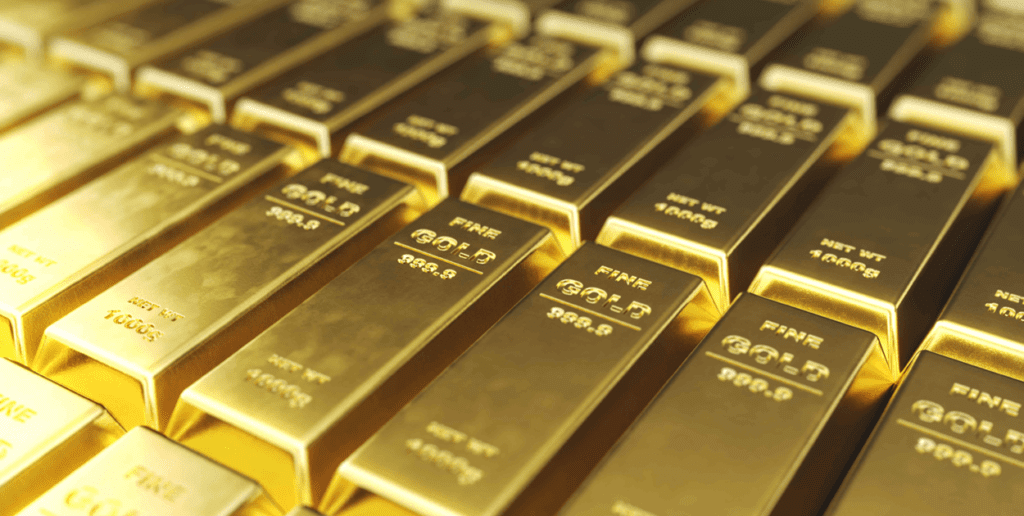
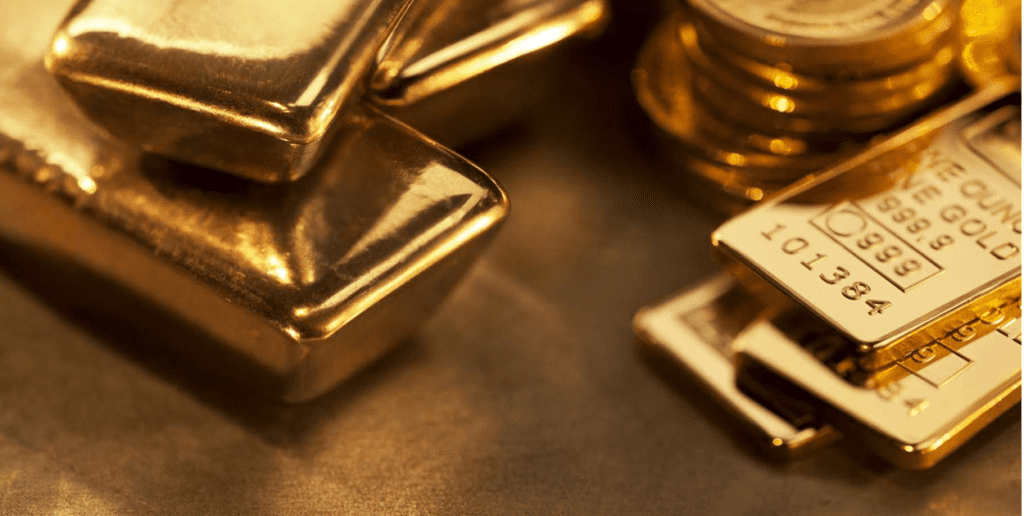
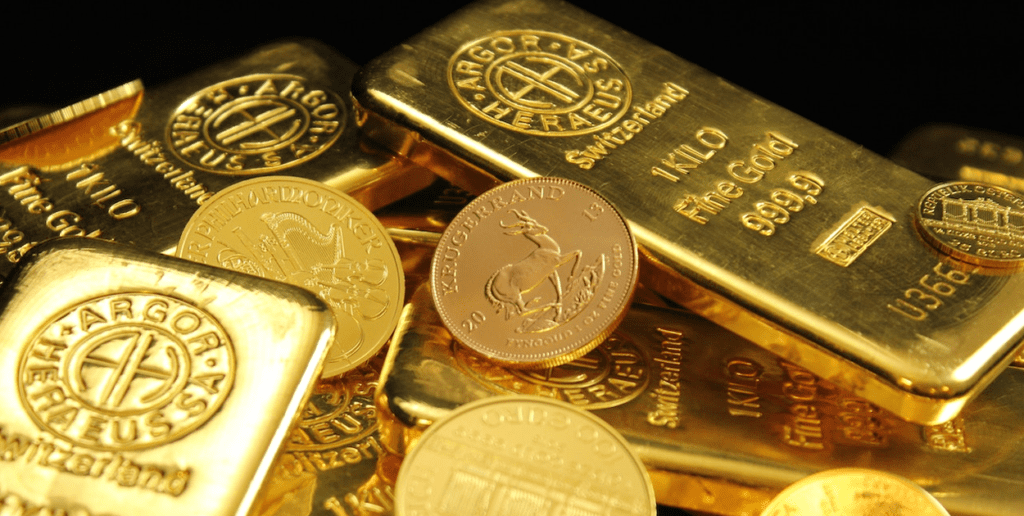
Gold has long been revered as a symbol of wealth and stability, making it a popular choice for investors seeking to diversify their portfolios. When considering investing in gold, one of the key decisions you’ll face is whether to invest in gold bullion or gold coins. Both options have their own unique advantages and considerations, so let’s delve into the differences to help you make an informed decision. Gold Bullion: The Foundation of Precious Metal Investments Gold bullion refers to gold bars or ingots typically produced by government mints or private refineries. These bars come in various weights, ranging from small grams to hefty kilograms, and are stamped with markings indicating their purity and authenticity. Investing in gold bullion offers several benefits: Purity and Quality: Gold bullion bars are typically of high purity, often ranging from 99.5% to 99.99% pure gold. This ensures that investors receive a product of consistent quality and value. Liquidity: Gold bullion bars are highly liquid assets, meaning they can be easily bought or sold in the global market. They are recognized and traded by investors and institutions worldwide, providing flexibility and accessibility. Lower Premiums: Gold bullion bars often carry lower premiums over the spot price of gold compared to gold coins. This can make them a more cost-effective option for investors looking to maximize their investment. Storage Efficiency: Due to their uniform shape and size, gold bullion bars are easy to store and transport. They can be stored in secure vaults or safety deposit boxes, offering peace of mind to investors. Gold Coins: Timeless Treasures with Added Value Gold coins, on the other hand, hold a special allure for many investors due to their historical significance, aesthetic appeal, and added collectible value. Unlike gold bullion bars, gold coins are minted in various designs and denominations by government mints around the world. Investing in gold coins offers several distinct advantages: Historical Significance: Many gold coins have a rich history and cultural significance, making them highly sought after by collectors and investors alike. Owning these coins can provide a tangible connection to the past and add a unique dimension to your investment portfolio. Potential for Numismatic Value: In addition to their intrinsic gold value, certain gold coins may accrue additional value over time due to their rarity, condition, or historical importance. This potential for numismatic appreciation can enhance the overall return on investment. Diversification: Gold coins offer investors a diverse range of options in terms of design, denomination, and minting origin. This diversity allows investors to tailor their investment strategy to their individual preferences and goals. Privacy and Portability: Unlike larger gold bullion bars, gold coins offer greater privacy and portability, as they can be easily stored, transported, and traded. This makes them an attractive option for investors seeking flexibility and discretion. Choosing the Right Option for You When deciding between gold bullion and gold coins, it ultimately comes down to your investment objectives, preferences, and risk tolerance. If you prioritize purity, liquidity, and cost-effectiveness, gold bullion bars may be the preferred choice. However, if you value historical significance, collectible appeal, and potential for numismatic value, gold coins may be more suitable for your investment strategy. Regardless of which option you choose, it’s essential to conduct thorough research, seek professional guidance if needed, and diversify your investment portfolio to mitigate risk. By carefully weighing the advantages and considerations of gold bullion versus gold coins, you can make an informed decision that aligns with your financial goals and aspirations.  

Unlocking thes secret of Gold
Blogs

Unlocking the Mysteries of Gold: The Science Behind Its Formation and Extraction

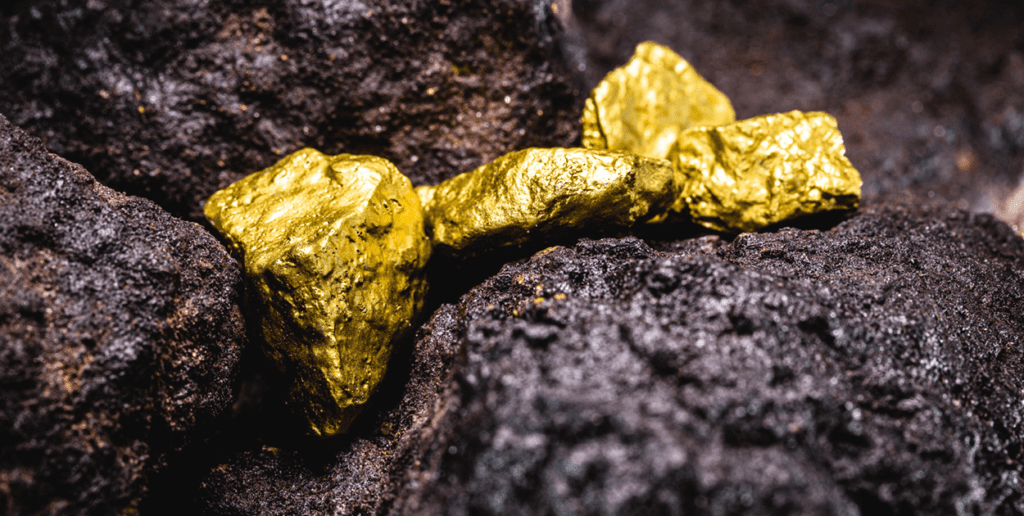
Gold, with its dazzling allure and timeless appeal, has captured the imagination of humanity for millennia. But beyond its aesthetic beauty lies a fascinating tale of scientific wonder, revealing the intricate processes that shape this precious metal. Join us on a journey to explore the science behind gold—how it’s formed deep within the Earth and extracted for our use and admiration. Formation of Gold: Nature’s Alchemy The story of gold begins billions of years ago, in the fiery depths of supernovae—massive explosions of dying stars that scattered heavy elements like gold across the cosmos. Over eons, these elements coalesced into the primordial Earth, where gold remained hidden beneath the planet’s surface, awaiting discovery. Gold is primarily formed through a process known as hydrothermal deposition. Deep within the Earth’s crust, hot fluids rich in dissolved gold migrate through fractures and faults, carrying with them tiny particles of the precious metal. As these fluids cool and interact with other minerals, they deposit their gold content, gradually forming veins and deposits of native gold. Modern Gold Extraction Techniques: From Ore to Bullion In modern times, gold extraction has evolved into a sophisticated process that combines advanced technology with traditional mining methods. The journey from gold-bearing ore to gleaming bullion involves several key steps: Exploration and Mining: Geologists use a combination of remote sensing, geological mapping, and drilling to locate gold deposits. Once a viable deposit is identified, miners employ techniques such as open-pit or underground mining to extract the ore-bearing rock. Crushing and Grinding: The mined ore is crushed into smaller particles and ground into a fine powder to liberate the gold particles from the surrounding rock.Gold Recovery: Through processes such as cyanidation, gravity separation, and flotation, the gold is separated from the ore and concentrated into a gold-rich concentrate. Refining and Smelting: The gold concentrate undergoes further refining and smelting to remove impurities and produce pure gold bullion. This may involve processes such as melting, electrolysis, and chemical treatment to achieve the desired level of purity. Casting and Fabrication: The refined gold is cast into bars, ingots, or other forms for storage, transportation, and fabrication into jewelry, coins, and other products. The Enduring Legacy of Gold From its celestial origins to its journey through the Earth’s crust, the story of gold is a testament to the marvels of nature and the ingenuity of humanity. As we continue to unlock the mysteries of this precious metal, we gain a deeper appreciation for its beauty, rarity, and enduring value. Whether adorning the crowns of kings or filling the vaults of investors, gold remains an emblem of wealth, power, and timeless allure—a legacy that transcends time and space.

gold mining
Blogs

Gold Mining Around the World: Balancing Environmental Impact and Sustainability

Gold mining has played a significant role in shaping the economies and landscapes of countries around the world for centuries. From the depths of ancient civilizations to the modern-day industrial scale operations, gold mining has left an indelible mark on the planet. However, with this lucrative industry comes a range of environmental challenges and sustainability concerns. In this blog, we’ll explore the environmental impact of gold mining and the efforts being made to promote sustainable practices in the industry. The Environmental Footprint of Gold Mining Gold mining is not without its environmental consequences. The extraction of gold ore from the earth involves a series of processes that can have a profound impact on local ecosystems, water resources, and biodiversity. Some of the key environmental challenges associated with gold mining include: Deforestation and Habitat Destruction: Large-scale gold mining operations often require the clearing of vast swathes of land, leading to deforestation and loss of habitat for wildlife. This can have cascading effects on local ecosystems and biodiversity, disrupting delicate ecological balances. Water Contamination: The use of chemicals such as cyanide and mercury in the gold extraction process can result in the contamination of water sources, posing risks to human health and aquatic life. Acid mine drainage, a byproduct of mining activities, can further exacerbate water quality issues, leading to long-term environmental damage. Soil Degradation: Mining activities can disturb the soil structure and fertility, making it difficult for vegetation to regrow and ecosystems to recover. Soil erosion, sedimentation, and land subsidence are common consequences of gold mining operations, further compromising the health of the surrounding environment. Air Pollution: The operation of heavy machinery, vehicles, and processing plants in gold mining areas can contribute to air pollution through emissions of particulate matter, sulfur dioxide, and other pollutants. This can have adverse effects on air quality and human health, particularly for communities living near mining sites. Promoting Sustainability in Gold Mining Despite these environmental challenges, the gold mining industry is increasingly recognizing the importance of adopting sustainable practices to minimize its environmental footprint and mitigate negative impacts. Governments, industry stakeholders, and environmental organizations are collaborating to promote responsible mining practices and ensure the long-term sustainability of the industry. Some of the key sustainability efforts in gold mining include: Environmental Regulations: Governments around the world are implementing stricter environmental regulations and permitting requirements to govern gold mining activities. These regulations aim to minimize environmental harm, protect natural resources, and hold mining companies accountable for their impacts. Technological Innovations: The development and adoption of innovative technologies are enabling mining companies to reduce their environmental footprint and improve efficiency in gold extraction. From advanced water treatment systems to environmentally friendly extraction techniques, technological innovations are driving positive change in the industry. Community Engagement and Stakeholder Consultation: Mining companies are increasingly engaging with local communities and stakeholders to address their concerns, mitigate social impacts, and ensure the equitable distribution of benefits from mining activities. Community development programs, revenue-sharing agreements, and transparent communication channels are essential components of responsible mining practices. Rehabilitation and Restoration: Following the closure of mining operations, companies are obligated to rehabilitate and restore disturbed land to its original state as much as possible. This may involve reforestation efforts, soil remediation, and habitat restoration to promote ecosystem recovery and biodiversity conservation. The Path Forward: Toward Responsible Gold Mining As the demand for gold continues to rise and global environmental challenges become increasingly urgent, the need for responsible and sustainable gold mining practices has never been greater. By embracing innovation, collaboration, and transparency, the gold mining industry can minimize its environmental footprint, protect natural resources, and contribute to the well-being of communities and ecosystems around the world. As consumers, investors, and global citizens, we all have a role to play in promoting responsible gold mining practices and supporting initiatives that prioritize environmental stewardship and sustainability. By demanding ethically sourced and sustainably produced gold, we can help drive positive change in the industry and ensure a brighter future for generations to come.  

gold Safeguarding
Blogs

Gold as a Safe Haven Asset: Safeguarding Wealth Amid Economic Uncertainty

In times of economic turmoil and uncertainty, investors seek refuge in assets that offer stability, security, and preservation of wealth. One such asset that has stood the test of time as a safe haven is gold. Renowned for its intrinsic value, universal acceptance, and historical resilience, gold serves as a reliable hedge against market volatility and geopolitical instability. Join us as we explore the role of gold as a safe haven asset and its significance during periods of economic uncertainty. A History of Resilience: Gold’s Timeless Appeal Gold’s status as a safe haven asset can be traced back thousands of years to ancient civilizations that revered it as a symbol of wealth and power. Throughout history, gold has weathered countless financial crises, wars, and economic downturns, emerging unscathed and often thriving in the face of adversity. During times of economic uncertainty, investors flock to gold as a store of value and a hedge against inflation, currency devaluation, and geopolitical risks. Its tangible nature, scarcity, and intrinsic value make gold uniquely suited to preserve wealth and purchasing power over the long term. Protecting Wealth in Times of Crisis The allure of gold as a safe haven asset becomes particularly evident during periods of crisis and uncertainty. Whether sparked by geopolitical tensions, economic recessions, or global pandemics, crises have a way of eroding confidence in traditional financial markets and fiat currencies, driving investors to seek refuge in assets with intrinsic value and a proven track record of stability. Gold’s ability to retain its value and purchasing power during times of crisis stems from several key factors: Lack of Correlation: Gold has historically exhibited low or negative correlation with other financial assets, such as stocks, bonds, and currencies. This lack of correlation makes gold an effective diversification tool, helping investors reduce overall portfolio risk and mitigate losses during market downturns. Store of Value: Unlike fiat currencies, which are subject to inflationary pressures and central bank policies, gold maintains its purchasing power over time. Its scarcity, durability, and universal acceptance make it a reliable store of value that transcends borders and political regimes. Liquidity and Accessibility: Gold is highly liquid and easily tradable in global markets, providing investors with instant access to their wealth when needed. Whether in the form of physical bullion, exchange-traded funds (ETFs), or derivatives, gold offers investors a range of options to suit their preferences and investment objectives. Psychological Appeal: Beyond its tangible attributes, gold holds a psychological appeal for investors seeking stability and security in uncertain times. Its timeless allure and historical legacy evoke feelings of trust, confidence, and reassurance, instilling a sense of calm amid turbulent financial markets. Navigating Uncertain Waters with Gold As we navigate the choppy waters of economic uncertainty, gold stands as a beacon of stability and resilience in an ever-changing world. Whether held as a long-term investment, a short-term hedge, or a strategic portfolio allocation, gold offers investors a time-tested means of protecting wealth and preserving purchasing power in the face of adversity. While the allure of gold as a safe haven asset may wax and wane with shifting market conditions, its fundamental role as a store of value remains steadfast and unwavering. As legendary investor Warren Buffett once remarked, “Gold gets dug out of the ground in Africa, or someplace. Then we melt it down, dig another hole, bury it again, and pay people to stand around guarding it. It has no utility. Anyone watching from Mars would be scratching their head.” In essence, gold’s value lies not in its utility or industrial applications, but in the timeless confidence it instills and the enduring wealth it preserves—a testament to its status as the ultimate safe haven asset in times of economic uncertainty.  

Cluster Ring Buyer in Houston
Blogs

Debunking the Myth: Are Gold Rings Worth the Investment?

Gold rings have long been synonymous with timeless elegance and enduring value. From engagement bands to family heirlooms, these shimmering symbols of love and commitment have captured the hearts and imaginations of generations. But amidst fluctuating markets and evolving trends, many ponder a crucial question: are gold rings truly worth the investment? Let’s delve into the matter and uncover the truths behind this enduring jewelry conundrum. The allure of gold is undeniable, dating back millennia as a coveted symbol of wealth and prosperity. Its intrinsic value, coupled with its rarity and lustrous beauty, has made gold a sought-after commodity throughout history. But does this translate into a sound investment when it comes to gold rings? First and foremost, it’s essential to understand the different types of gold and their respective value propositions. Pure gold, often referred to as 24 karat gold, is too soft for practical jewelry use. Therefore, it’s typically alloyed with other metals to enhance durability and strength. The karatage system denotes the purity of gold, with 24 karat representing 99.9% pure gold, and lower karatages indicating varying degrees of alloying. When considering the investment potential of a gold ring, it’s crucial to assess its karatage and overall weight. Higher karat gold, such as 18 karat or 14 karat, contains a greater proportion of pure gold and thus commands a higher intrinsic value. Additionally, heavier rings will inherently contain more gold and therefore have a higher intrinsic worth. However, it’s essential to recognize that the value of a gold ring extends beyond its intrinsic metal content. Factors such as craftsmanship, design intricacy, and brand prestige can significantly influence the overall value and desirability of a gold ring. Artisanal craftsmanship and unique design elements can elevate a gold ring from a mere commodity to a cherished work of art, potentially increasing its resale and collector’s value over time. Furthermore, the market dynamics of gold, including supply and demand fluctuations, geopolitical factors, and economic trends, can significantly impact its investment potential. Historically, gold has served as a hedge against inflation and economic uncertainty, making it a desirable asset for investors seeking to diversify their portfolios and preserve wealth. In the context of jewelry, gold rings hold sentimental value that transcends mere financial considerations. Whether exchanged as symbols of love and commitment or passed down through generations as cherished heirlooms, gold rings embody the profound emotions and memories associated with life’s most precious moments. Ultimately, the decision to invest in a gold ring should be guided by a combination of financial prudence and personal sentiment. While gold rings may not offer the same liquidity and potential returns as other investment vehicles, their intrinsic value and enduring appeal make them a worthy addition to any jewelry collection. In conclusion, gold rings are more than just monetary investments – they are tangible expressions of love, beauty, and tradition. Whether purchased for their intrinsic value, sentimental significance, or aesthetic appeal, gold rings continue to captivate hearts and stand the test of time as enduring symbols of elegance and sophistication.

Diamond Featured
Blogs

How to Sell Diamonds: What You Need to Know

Diamonds have long been cherished as symbols of love, beauty, and prestige. However, circumstances may arise where you find yourself considering the option to sell these precious gems. Whether you’re looking to upgrade to a new piece of jewelry, liquidate assets for financial purposes, or simply part ways with inherited stones, selling diamonds requires careful consideration and understanding of the process. In this guide, we’ll explore everything you need to know about how to sell diamonds effectively and responsibly. Assess Your Diamonds Before diving into the selling process, it’s crucial to assess the diamonds you intend to sell. Take stock of their characteristics, including the 4Cs: cut, color, clarity, and carat weight. This information will help you determine the potential value of your diamonds and provide valuable insights when discussing pricing with potential buyers. Gather Documentation Documentation such as diamond certificates, appraisals, and receipts can significantly enhance the credibility and marketability of your diamonds. If you possess any certificates from reputable gemological laboratories such as the Gemological Institute of America (GIA) or the American Gem Society (AGS), be sure to include them when presenting your diamonds for sale. Research Potential Buyers Conduct thorough research to identify reputable and trustworthy buyers in the diamond market. Explore your options, including local jewelers, online diamond buyers, and auction houses. Look for companies with a strong reputation, transparent pricing policies, and positive customer feedback to ensure a smooth and satisfactory selling experience. Get Multiple Quotes Don’t settle for the first offer you receive. Instead, seek multiple quotes from different buyers to compare prices and terms. Be wary of offers that seem too good to be true and prioritize buyers who provide detailed explanations of their valuation process and offer fair market prices based on the quality and characteristics of your diamonds. Consider the Selling Method Decide whether you prefer to sell your diamonds through direct sales to a buyer, consignment with a jeweler or auction house, or online platforms. Each method has its advantages and considerations, so weigh your options carefully based on your priorities, timeline, and comfort level with the selling process. Negotiate Wisely When negotiating with potential buyers, approach the process with confidence and preparedness. Be open to constructive feedback and willing to consider reasonable offers, but also advocate for fair compensation based on the quality and value of your diamonds. Don’t hesitate to walk away from offers that don’t meet your expectations or align with market standards. Ensure a Secure Transaction Prioritize security and peace of mind throughout the transaction process. Choose reputable buyers who offer secure payment methods, such as bank transfers or certified checks, and provide clear documentation outlining the terms of the sale. If selling online, take precautions to safeguard your diamonds during shipping and opt for insured shipping methods for added protection. Finalize the Sale Once you’ve agreed upon terms and received payment, finalize the sale by transferring ownership of the diamonds to the buyer. Ensure that all necessary paperwork, including sales receipts and transfer of ownership documents, are completed accurately and retained for your records. In conclusion, selling diamonds can be a rewarding and lucrative endeavor when approached with diligence, knowledge, and careful consideration. By following these essential steps and understanding the intricacies of the selling process, you can navigate the diamond market with confidence and achieve a successful and mutually beneficial transaction. And when you’re ready to sell your diamonds, trust Houston Cash For Gold to provide expert guidance, transparent pricing, and a seamless selling experience tailored to your needs.

Blogs

How to Choose the Perfect Metal for Your Jewelry

In the realm of jewelry, every piece tells a story. Whether it’s a symbol of love, a statement of style, or a mark of prestige, the metal used plays a crucial role in shaping its character and allure. With a myriad of options available, selecting the perfect metal for your jewelry can be a daunting task. Fear not, as we embark on a journey to unravel the secrets behind choosing the ideal metal to complement your style and preferences. Understanding Metals Before delving into the selection process, it’s essential to understand the different types of metals commonly used in jewelry making. From timeless classics to contemporary favorites, each metal possesses unique characteristics that contribute to its overall appeal. Gold: Renowned for its timeless elegance and enduring value, gold remains a perennial favorite in the world of jewelry. Available in various hues including yellow, white, and rose, gold offers versatility and sophistication. Houston Cash for Gold offers a treasure trove of options for those seeking the allure of gold in their jewelry collection. Silver: Prized for its affordability and lustrous sheen, silver is a beloved choice for both casual and formal wear. With its ability to complement a wide range of gemstones and designs, silver jewelry exudes understated charm and versatility. Platinum: Recognized for its rarity and durability, platinum epitomizes luxury and exclusivity. As one of the strongest and most enduring metals, platinum jewelry is cherished for its resilience and timeless appeal. Titanium: Embraced for its exceptional strength and lightweight properties, titanium has emerged as a contemporary favorite in jewelry design. With its hypoallergenic qualities and modern aesthetic, titanium offers a perfect blend of style and functionality. Consider Your Style and Preferences When selecting the perfect metal for your jewelry, it’s crucial to consider your personal style and preferences. Whether you gravitate towards classic elegance or contemporary flair, the metal you choose should reflect your individuality and complement your wardrobe. Classic Elegance: If you’re drawn to timeless sophistication, opt for metals like gold or platinum. Their enduring appeal and timeless allure make them the perfect choice for heirloom-quality pieces that withstand the test of time. Modern Chic: For those with a penchant for contemporary design, metals like titanium or stainless steel offer a sleek and modern aesthetic. Their versatility and durability make them ideal for statement pieces that exude effortless style. Budgetary Considerations While the allure of precious metals may be irresistible, it’s essential to consider your budget when choosing the perfect metal for your jewelry. Fortunately, with options like silver and stainless steel, you can achieve a luxurious look without breaking the bank. Seek Expert Guidance When in doubt, don’t hesitate to seek guidance from jewelry experts like Houston Cash for Gold. With their wealth of knowledge and expertise, they can help you navigate the intricate world of metals and find the perfect match for your jewelry needs. In conclusion, choosing the perfect metal for your jewelry is a deeply personal journey that involves a careful balance of style, preference, and budget. Whether you’re drawn to the timeless allure of gold or the modern chic of titanium, the metal you choose should reflect your individuality and stand as a testament to your unique sense of style. With the guidance of experts like Houston Cash for Gold, you can embark on this journey with confidence, knowing that the perfect piece awaits to adorn you in brilliance and beauty.

Gold Jewelry Buyer In Houston
Blogs

Mastering Elegance: The Ultimate Guide to Styling Gold Jewelry

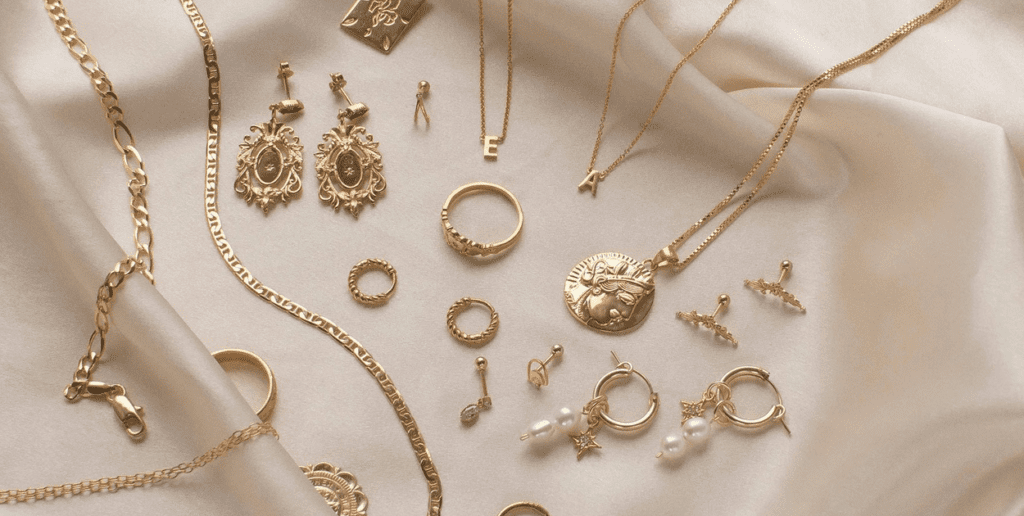
Gold jewelry has adorned humanity for centuries, exuding timeless elegance and sophistication. From delicate chains to bold statement pieces, the versatility of gold knows no bounds. But with endless options and styles to choose from, mastering the art of styling gold jewelry can seem daunting. Fear not! This ultimate guide is here to help you navigate the world of gold with confidence and flair. Understand Your Undertones: Before diving into styling, it’s essential to understand your skin’s undertones. Warm undertones pair beautifully with yellow and rose gold, while cool undertones complement white gold and silver. Knowing your undertones will guide your jewelry choices and ensure a harmonious look. Less is More: When it comes to gold jewelry, less is often more. Opt for a few well-chosen pieces that complement each other rather than overloading your ensemble. A simple gold necklace paired with stud earrings and a delicate bracelet can create an effortlessly chic look. Mix and Match Metals: Don’t be afraid to mix different metal tones for a modern and eclectic vibe. Layer yellow gold chains with silver or rose gold accents for a stylish contrast. Just be sure to balance the proportions and maintain a cohesive overall aesthetic. Statement Pieces: Let your gold jewelry take center stage by incorporating statement pieces into your ensemble. A bold cocktail ring, oversized hoops, or a chunky chain necklace can add drama and personality to even the simplest outfit. Layering: Experiment with layering different lengths and styles of necklaces for a trendy and personalized look. Start with a choker or collar necklace as a base and add longer chains or pendants for dimension and visual interest. Mix Textures and Styles: Play with a variety of textures and styles to add depth and complexity to your jewelry ensemble. Pair smooth, polished pieces with textured or hammered finishes for a dynamic contrast that elevates your look. Consider the Occasion: Tailor your gold jewelry selection to suit the occasion and dress code. Opt for understated pieces for everyday wear and save your more extravagant designs for special events and celebrations. Accessorize Thoughtfully: When styling gold jewelry, consider the overall balance of your accessories. Avoid overwhelming your look by keeping other accessories, such as bags, shoes, and belts, understated and complementary. Personalize Your Look: Make a statement by incorporating personalized or meaningful pieces into your gold jewelry collection. Initial pendants, birthstone accents, or engraved bracelets add a unique touch and make your jewelry truly your own. Confidence is Key: Above all, wear your gold jewelry with confidence and conviction. Whether you’re donning a single delicate chain or a dazzling array of statement pieces, let your personality shine through and wear your jewelry with pride. In conclusion, styling gold jewelry is an art form that allows you to express your individuality and elevate your look to new heights. By following these tips and embracing your creativity, you’ll master the art of styling gold jewelry with finesse and flair. So go ahead, adorn yourself in gold, and let your inner style maven shine!

Speak To A Jeweler